


Daily Bible Devotion & Prayer
4.69.37K Reviews
App Specs
- Version
- 7.0.2
- Updated On
- License
- Free
- Downloads
- 5,000,000+
- Developer
- Salem Media Group
- Categories
- Books & Reference
- Platform
- Android
Screenshots




 Analysis by AppCompare
I opened Daily Bible Devotion & Prayer expecting a simple verse reader, but I found a more guided way to bring Bible reading, prayer, and a short moment of reflection into the same daily routine. It is a free Books & Reference app from Salem Media Group, aimed at people who want regular spiritual encouragement without building a reading plan from scratch. My overall impression is positive: it works best as a gentle starting point for a daily habit, rather than as a complete replacement for a printed Bible, a serious study tool, or a church community.
The app has a 4.6 average from around 50 thousand ratings and has passed 5 million installs, which fits its broad appeal. It is rated for Everyone, so its tone is accessible to families and casual readers as well as committed Christians. The central promise is straightforward: open the app, read the day’s devotional material, consider a verse, and move into prayer. That focused workflow is its biggest strength, but it also creates its main limitation: anyone wanting deep commentary, extensive cross-references, or a highly customizable study environment will probably need another resource beside it.
From a distracted moment to a usable daily routine
I look at the gap between wanting a quiet spiritual pause and actually making room for one. A useful routine starts by choosing a moment that already exists in your day, rather than waiting for a perfectly calm morning; next, I’ll consider how that small opening can hold up when attention is divided or the day gets busy.
The starting point: choosing a realistic spiritual pause
In my experience, the hardest part of devotional reading is often not finding something meaningful. It is deciding what to read when I am tired, busy, or unsure where to begin. A physical Bible offers enormous depth, but that depth can feel like a barrier when I only have a few quiet minutes. This app addresses that starting condition by putting a daily devotional experience in front of me instead of asking me to design one.
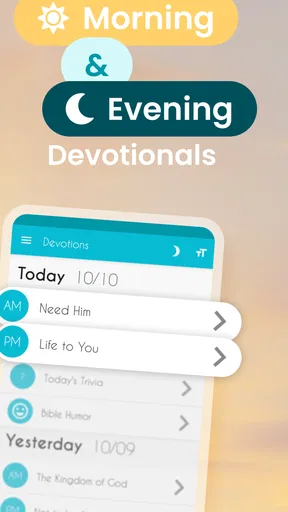
A practical scenario is a weekday morning before work. I can open the app while having coffee, read the devotional passage, sit with the featured verse, and use the prayer element as a transition into the day. The value is not that the app makes the moment profound every time. The value is that it removes the first decision. I do not have to wonder which book to open or search through several reading plans before beginning.
That makes it particularly suitable for someone returning to Bible reading after a long break, a new believer looking for structure, or a reader who wants a short devotional touchpoint between longer study sessions. It is also useful for people who prefer encouragement and reflection over a dense academic presentation. The content is presented as a daily experience, so the app feels less like a reference shelf and more like a prompt to stop and pay attention.
Still, I would not treat the daily format as a substitute for choosing a broader reading goal. Short devotional material can illuminate one idea while leaving the surrounding chapter or historical context unexplored. My advice is to use the daily entry as the doorway, then open a full Bible when a passage raises questions that deserve more time.
Worth Reading Before You Choose

Flipboard Shows What News Apps Must Do Beyond the Feed

Switching to Android Auto Means Rethinking Your Driving Routine

Google Calendar Makes a Crowded Week Easier to Manage

Ludo King Makes the Most of the Minutes Between Plans

Baby Panda World Brings Quick Play to Modern Phones, but Its Game Library Feels Busy

ESPN’s Live Game View Makes Following Close Games Easier
The first step: reading before reacting
The most useful workflow begins with restraint. I read the devotional entry and its related verse before jumping into interpretation or composing a prayer. That order matters because it gives the reflection a chance to establish the theme. When I rush straight to the prayer portion, I can turn the experience into a checklist. When I read first, I am more likely to notice a phrase that connects with something happening in my day.
For a beginner, I recommend reading the entry once for the general message and then a second time more slowly, looking for one sentence that feels personally relevant. I do not try to remember every detail. A devotional app is more helpful when it produces one clear point for the day than when I treat it like a test of retention.
This is also where the app compares favorably with a random verse generator. A single isolated verse can be encouraging, but it may not give enough direction for reflection. The devotional structure provides a little more framing. On the other hand, a full Bible app with several translations and extensive navigation is better when I want to compare wording, inspect context, or follow a theme through multiple books.
Turning the reading into prayer
The handoff from reading to prayer is the part I find most practical. Instead of closing the app after consuming a short inspirational thought, I can use the devotional idea as a prompt for a personal response. I might thank God for something specific, ask for help with a difficult conversation, or pray for someone connected to the passage’s theme. This makes the session feel participatory instead of purely editorial.
A simple method works well: identify one truth from the reading, one concern from the day ahead, and one person to remember. That creates a small bridge from the app’s content to real life. It also prevents the prayer from becoming vague. If the devotional focuses on patience, for example, I can connect that theme to a meeting, a family situation, or a decision where I am tempted to react too quickly.
The strongest workflow is read, notice, respond, and carry one idea forward. That sequence is more valuable than trying to complete the app mechanically. The application supplies the starting material, but the outcome depends on what I do with it after the screen is closed.
Using the app when time is limited
Daily routines rarely stay consistent. Some mornings allow a quiet session; others offer only a brief pause on public transport or during a lunch break. This app suits those uneven schedules because its purpose is easy to understand as soon as it opens. I can have a meaningful short session without committing to a long chapter-by-chapter study.
My practical tip is to avoid treating a missed day as a failure. If I skip a morning, I would rather return at the next available moment than spend time trying to catch up perfectly. The app works better as a recurring invitation than as a demanding course. That flexibility is helpful for parents, shift workers, students, and anyone whose schedule changes from day to day.
There is a trade-off, though. A short devotional can fit into a crowded routine precisely because it does not demand much preparation. Readers who want a carefully sequenced curriculum may find that freedom less satisfying. For them, a dedicated Bible study platform or a printed plan may provide stronger accountability and a clearer sense of progression.
Where the handoffs happen
The first handoff is from the user’s daily problem to the app’s selected devotional. I bring the need for direction, encouragement, or quiet; the app gives me a focused reading experience. The second handoff is from the written reflection to the Bible verse. Here, I can ask whether the devotional’s application helps me engage with the verse or merely uses it as a decorative reference. I found the app most worthwhile when I paused over the verse itself rather than treating the surrounding text as the entire message.
The third handoff is from private reflection to prayer. This is where the app can become personally useful, because a theme becomes connected to a real concern. The fourth is from prayer to action. If I read about forgiveness, for instance, the outcome should not end with a pleasant feeling; it may lead me to send a message, apologize, listen more carefully, or release a grievance. The app cannot complete that final step for me, but it can help make the next step visible.
These handoffs also explain why the experience may feel different depending on the reader. Someone who wants only a quick inspirational quote may find the prayer element more involved than necessary. Someone who wants a structured devotional pause may appreciate the progression. The application is at its best when I approach it as a small practice, not as a stream of content to scroll through.
How it fits alongside other Bible resources
Compared with a printed devotional book, the app is easier to keep nearby and less likely to be forgotten when I am away from home. A book can offer a calmer, less distracting reading environment, however, and some readers will prefer the physical act of marking pages or writing notes. The app wins on convenience; the book often wins on focus and ownership.
Compared with a general Bible app, this experience is more guided and less dependent on search. A full Bible application is the better choice when I want multiple translations, detailed navigation, or a long study session. Daily Bible Devotion & Prayer is better when I want the opposite: a compact entry point that tells me where to begin.
Compared with social media, it offers a more intentional destination. Opening a feed can turn a quiet moment into an hour of unrelated scrolling. Opening this app gives the moment a defined purpose. That does not make every devotional insight equally compelling, but the design of the routine is healthier for someone trying to protect a few minutes of reflection from constant digital interruption.
It also differs from audio-first devotional services. Readers who absorb spiritual content best while walking or driving may prefer an app built around spoken material. This one makes more sense for people who want to read and then pause. I would not choose it as my primary option if listening is essential to my routine.
The result: what I actually take away
The immediate outcome is modest but useful: I finish with a verse, a theme, and a prayer direction that can remain in my thoughts during the day. That is enough to make the app worthwhile when my alternative would have been no devotional time at all. It does not promise to solve difficult questions, and I appreciate that its role is smaller and more practical.
Over time, the benefit comes from repetition. A daily devotional habit can make spiritual reflection feel less like an occasional event and more like a normal part of the day. The app’s simplicity helps here because I do not need to rebuild my routine each morning. I can return to the same basic pattern and allow the subject matter to meet me in different circumstances.
One non-obvious strength is that the app can serve as a diagnostic for my attention. If I repeatedly read without remembering anything, that tells me I may be opening it at the wrong time or treating it as background content. Moving the session from a noisy commute to a quieter break, or reading one passage twice instead of rushing, can improve the experience without requiring any special feature.
Another useful approach is to keep a separate paper notebook rather than trying to make the app carry the entire record of the experience. I can write the date, the verse that stood out, and one action I want to take. This creates a simple handoff from the digital reading to an offline habit and makes the app more valuable for people who want to notice patterns in their prayers.
Practical details before installing
The app is free to download, with in-app purchases ranging from one dollar to just under twenty dollars per item. That means I can try the basic experience without an upfront payment, but I would still pay attention to any optional purchase screen and decide whether it adds enough value to my routine. For a casual user, the free entry point is a sensible way to judge whether the format fits before spending anything.
It supports devices running Android 7.0 or later, and the current version is 7.0.2. That makes checking the operating system worthwhile on an older phone before installation. The app has been available since July 18, 2011, so it is not a newly launched experiment; its long presence and broad install base suggest that the daily devotional format has found a durable audience.
The Everyone content rating makes it a reasonable option for shared family use, although I would still guide younger readers through the material rather than assuming every devotional theme will match their stage of understanding. Adults choosing it for children should treat it as a conversation starter, not as a complete form of religious education.
Where the flow breaks down
The workflow can break at the reading stage if I am looking for depth rather than direction. A short devotional may simplify a complex passage or emphasize application over context. When I need to understand authorship, setting, translation differences, or the relationship between several passages, I have to move to a Bible study resource. That extra handoff is not a flaw by itself, but it is important to recognize before expecting this app to do everything.
It can also break when repetition becomes noticeable. A daily format depends on returning regularly, and not every entry will speak to every situation. Some days I may find the theme immediately relevant; on others, the material may feel too general for what I am facing. The right response is not to force a connection. I would read thoughtfully, take what is useful, and use another resource when a more specific answer is needed.
Another friction point is the tension between convenience and distraction. Because the experience lives on a phone, notifications and other apps are always nearby. I get better results by opening it with a clear intention, silencing interruptions when possible, and putting the phone down after prayer. If I want a completely screen-free devotional routine, a printed book is still the better fit.
The app is also not ideal for someone who wants a robust personal research system. Readers who depend on extensive notes, linked references, advanced search, or a carefully managed long-term study archive may prefer a dedicated Bible platform. This app’s strength is the guided daily moment, not comprehensive information management.
Who should make it part of the day?
I would recommend it to anyone who wants a low-pressure way to restart Bible reading, especially if the main obstacle is deciding where to begin. It is a good match for short morning routines, evening reflection, family conversations, and quiet pauses during demanding days. People who appreciate a devotional thought followed by prayer will likely understand its purpose quickly.
I would be more cautious about recommending it as the only Bible resource for seminary students, teachers, serious researchers, or readers working through a book of the Bible in detail. Those users need context and tools that go beyond a daily reflection. I would also point frequent audio listeners toward an audio-centered alternative, and I would point readers who dislike phones during prayer toward a paper devotional.
For me, the best way to use Daily Bible Devotion & Prayer is as the front door to a larger practice. I read the day’s material, examine the verse instead of skimming past it, turn the theme into a specific prayer, and carry one practical response into the day. It is most effective when the screen starts the habit but does not become the destination. With that expectation, this free app from Salem Media Group is a warm, approachable choice for daily encouragement, while its limits remain clear enough to plan around.
Pros
- Short daily readings fit easily into a busy schedule.
- Prayer prompts encourage personal reflection and spiritual focus.
- Simple navigation makes devotional content easy to access.
- Useful for building a consistent Bible-reading routine.
- Can provide encouragement during stressful or difficult moments.
Cons
- Some content may feel repetitive after extended daily use.
- Personalization options may be limited for different faith traditions.
- Requires regular notifications to maintain the devotional habit.
- Some features or content may depend on an internet connection.
- Ads or premium prompts may interrupt the reading experience.
FAQs for Daily Bible Devotion & Prayer
What is Daily Bible Devotion & Prayer, and what can I use it for?
Daily Bible Devotion & Prayer is a faith-based app designed to support regular Bible reading, reflection, and prayer. It typically brings devotional messages, Scripture passages, prayer prompts, and inspirational content together in one place. After trying the app, I found it most useful for creating a quiet daily routine, whether you want to begin the morning with Scripture, end the day in prayer, or take a short spiritual break during a busy schedule.
Does Daily Bible Devotion & Prayer require an internet connection?
Some parts of Daily Bible Devotion & Prayer may work without a constant internet connection, especially content that has already been loaded or saved on the device. However, an internet connection is generally recommended for receiving new daily devotionals, updating prayer content, synchronizing progress, and accessing any online features. Availability can also depend on the app version and device platform, so users should check the current listing before downloading.
Is Daily Bible Devotion & Prayer suitable for beginners and different Christian denominations?
The app is generally approachable for beginners because its content is presented in short, easy-to-follow devotional sections rather than requiring extensive Bible knowledge. It can also be useful for experienced readers who want a simple daily reminder. However, wording, translations, prayer styles, and theological perspectives may not suit every denomination equally. I recommend reviewing the app description and sample content to ensure it matches your beliefs and preferred Bible version.
Can I set reminders or personalize my daily devotional and prayer routine?
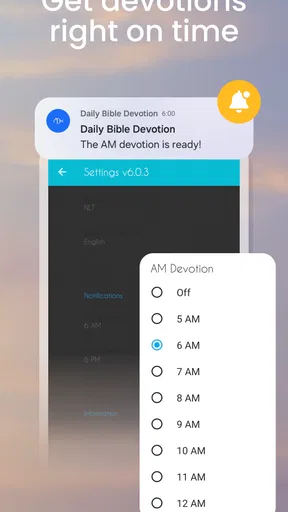
Daily reminders are one of the most useful features to look for in a devotional app, and Daily Bible Devotion & Prayer may allow users to choose a preferred time for prayer or Bible reading, depending on the version installed. Personalization can make the experience more consistent, particularly for users building a morning or evening habit. Before downloading, check whether notification controls, reading plans, bookmarks, favorites, or progress tracking are included.
Is Daily Bible Devotion & Prayer free to download, and are there advertisements or in-app purchases?
The app may be available as a free download, but free access does not always mean that every feature or devotional resource is included without limitations. Some versions may display advertisements or offer optional subscriptions and in-app purchases for expanded content, ad removal, premium reading plans, or additional prayer materials. Because pricing and features can change, review the Google Play Store or App Store listing carefully before installing or subscribing.


